

Your Pelvic Floor Journey – Part 3 - Postpartum Recovery & Beyond
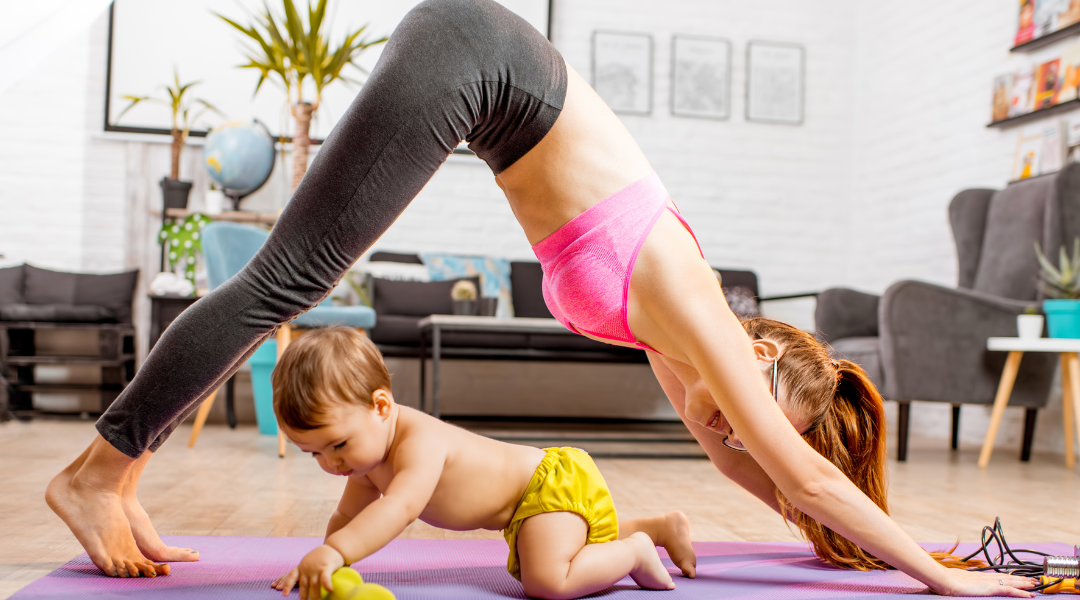
Welcoming a new life into the World is a beautiful and transformative experience for any parent. However, amidst the joys of parenthood, many women overlook an important aspect of their postpartum journey: your pelvic floor recovery!
The pelvic floor, a network of muscles, ligaments, and tissues located at the base of the pelvis, plays a crucial role in supporting pelvic organs, maintaining bladder and bowel control, facilitating sexual function, and during pregnancy and birth.
Our blog series this month has focussed on the journey your pelvic floor muscles take during the timespan of a woman (of child bearing capabilities and desires), from pre-pregnancy core support, through pregnancy and birth, and recovery after the birth of your child. Read Part 1: Between the Sheets, and Part 2: Ready, Steady, Baby!
Your pelvic floor will feel weak following childbirth. The muscles have been stretched to the limits during pregnancy and birth, and depending on how strong the muscles were pre-pregnancy, the recovery of the muscles may take some time. Occasionally there are more serious postnatal pelvic issues going on, such as pelvic floor prolapse where the organs are no longer being supported by the pelvic floor due to weakened muscles.
LET’S HAVE A LOOK AT WHATS HAPPENS TO YOUR PELVIC FLOOR DURING BIRTH…
The pelvic floor plays a crucial role in childbirth, providing support to your baby, guiding the baby’s descent, and facilitating delivery. Infact, many women will ‘feel’ the pelvic floor at work as it powerfully contracts during the birthing process. Here’s what the pelvic floor has to endure during childbirth:
1. STRETCHING AND RELAXATION
As labour progresses, the pelvic floor muscles begin to stretch and relax to accommodate the passage of the baby through the birth canal. This stretching allows the baby’s head to descend and eventually emerge from the vagina.
2. MUSCLE CONTRACTIONS
During the pushing stage of labour, the pelvic floor muscles contract rhythmically to help push the baby out. These contractions work in coordination with the abdominal muscles and the uterus to exert downward pressure on the baby.
3. SUPPORT FOR THE BABY
The pelvic floor provides essential support to the baby’s head and body as it passes through the birth canal. The muscles and ligaments of the pelvic floor help guide the baby’s descent and protect the pelvic organs during delivery.
4. POTENTIAL TEARS OR EPISIOTOMY
In some cases, the pelvic floor tissues may tear as the baby’s head stretches the vaginal opening during delivery. In other cases, healthcare providers may perform an episiotomy (a surgical incision) to enlarge the vaginal opening and facilitate delivery. These interventions can affect the integrity of the pelvic floor muscles and may require postpartum care and rehabilitation. Shockingly, over 30% of women who undergo vaginal childbirth will encounter pelvic trauma resulting in damage to this muscle group.
5. POSTPARTUM RECOVERY
After childbirth, the pelvic floor undergoes a period of recovery and healing. The muscles gradually regain tone and strength over time, although this process can vary from woman to woman. While childbirth can place stress on the pelvic floor muscles and tissues, the body has remarkable resilience and can often recover with proper care and rehabilitation after birth.
MY PELVIC FLOOR POSTPARTUM RECOVERY
You cannot plan for how you are going to feel physically postpartum as you are completely diving into motherhood and navigating the joys (and struggles!) or being a new mum. If you are on baby no.2, 3, 4 or more, you are familiar with these feelings and understand more about how you need to rest initially, but also the importance of including the right kind of activity into your lifestyle as soon as you are able.
You may feel that you have difficulties working with your pelvic floor, particularly if you’ve had a tricky birth and you may have little sensation downstairs! But don’t let this prevent you moving forward, it is never too late to start!
PELVIC FLOOR EXERCISES
Regularly performing pelvic floor exercises, such as Kegels, is essential for strengthening weakened muscles and improving bladder and bowel control. A pelvic floor physical therapist can provide guidance on proper technique and progression. More is definitely better when it comes to doing Kegels, so incorporating them into your everyday routine is essential.
Incorporate Emsella Pelvic Floor Strengthening Therapy to give your muscles a boost. If you are suitable for this treatment, it is hailed to be revolutionary at livening up your pelvic floor muscles and giving them a good workout! If you struggle with Kegels, or finding your pelvic floor whilst in your Pilates class, Emsella is a fantastic tool to help you locate them and work them properly in the future. This completely non-invasive treatment uses High Intensity Focused ElectroMagnetic Energy (HIFEM) to stimulate and strengthen the pelvic floor. Over the recommended initial course of 6 treatments, you will experience 75% improvement in urinary leakages. If you would like to try Emsella, book a free taster session here. Note you need to have finished breastfeeding before embarking on the Emsella treatment.
AVOID HEAVY LIFTING
Practicing good posture and body mechanics during daily activities can help prevent undue stress on the pelvic floor muscles. Avoiding heavy lifting, using proper lifting techniques, and engaging the core muscles can support pelvic floor recovery.
GOOD NUTRITION AND HYDRATION
A balanced diet rich in fibre and hydration is crucial for promoting bowel regularity and preventing constipation, which can exacerbate pelvic floor issues. Adequate hydration also supports tissue healing and overall recovery postpartum.
REST AND SELF-CARE
Prioritizing rest and self-care postpartum is essential for supporting pelvic floor recovery. Getting adequate sleep, managing stress, and incorporating relaxation techniques into daily life can aid in healing and promote overall well-being.
Pelvic floor issues can have a significant impact on a woman’s physical, emotional, and social well-being. Addressing these concerns through pelvic floor recovery strategies can boost self-confidence, reduce anxiety, and enhance overall quality of life postpartum.
Our summarisation of this 3 step blog series is PREVENTION IS BETTER THAN CURE. By addressing the future needs of your pelvic floor earlier in life that you may ordinarily think about it, you are best preparing your body for a good pregnancy, birth and prevention of some pelvic floor dysfunction or disease postpartum.
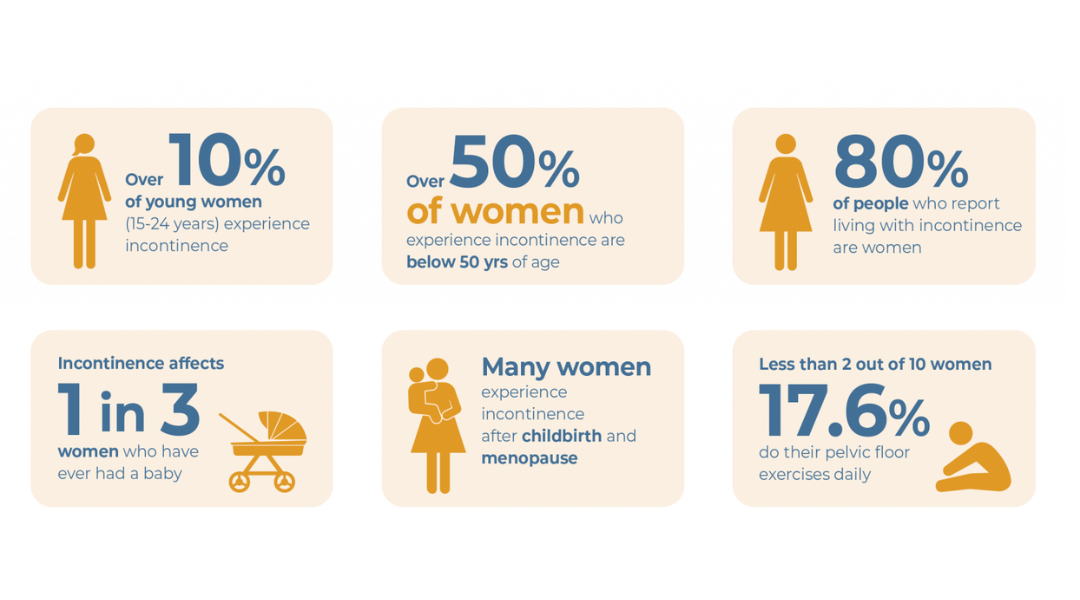
Implementing targeted recovery strategies early will save scrambling together ideas when the baby has already bolted! Seek professional guidance to support your bodies’ healing process if you need it. IT IS NEVER TOO LATE TO START PELVIC FLOOR CARE! Investing in pelvic floor recovery is an investment in your long-term health and well-being as a new mum.
Emsella Pelvic Floor Strengthening Treatment is a tool to support your pelvic floor journey at any age from 18 plus. Not to be seen as a replacement for doing pelvic floor exercises such as Kegels, it offers busy ladies a way of taking their pelvic floor to the gym and giving it a good workout! A course of 6 treatments is enough to give the pelvic floor a strengthening boost, although if your pelvic floor is already average to strong, you will not need so many treatments. Following this, a 6 monthly top up of two treatments is enough to keep the strength.
If you would like to try Emsella at our clinic in Marlow, Bucks, you can book a consultation and taster session online here, or email hello@springwellclinic.co.uk.