

Your Pelvic Floor Journey – Part 2 – Ready, Steady, Baby!

So you’ve made the amazing decision to start a family with your partner, and talks about babies and life with a new family in it are exciting and thrilling for the two of you. For us women, we have the responsibility to ensure our pregnancy and birth is as healthy and straightforward as it can be.
It is extremely common in the Western World, where we are short of time, tired from working too hard, and taking on more that we can manage, that looking after health and wellbeing takes a back seat. In particular, working on strengthening your pelvic floor pre-pregnancy is commonly neglected.
Overall, maintaining strong pelvic floor muscles during pregnancy can contribute to better overall pelvic health, reduce the risk of complications during labour and birth, and aid faster recovery postpartum. not to mention protect you against premature incontinence!
In this blog, we will look at the role of the pelvic floor during pregnancy, labour and birth and the importance of focussing time and energy to strengthen your pelvic floor before you fall pregnant.
THE ROLE OF THE PELVIC FLOOR DURING PREGNANCY, LABOUR AND BIRTH
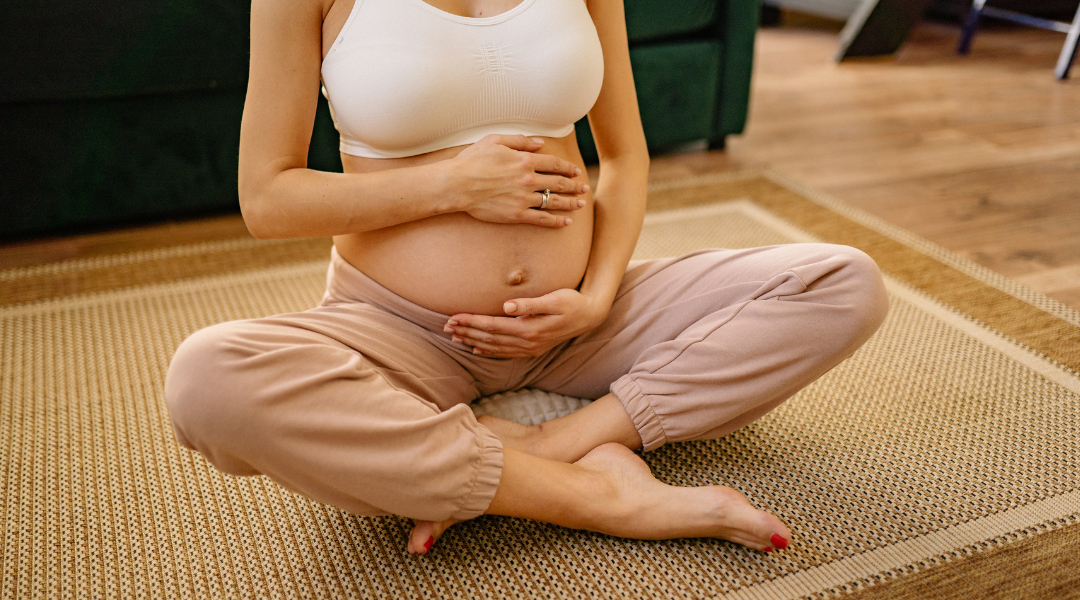
We have talked in previous blogs about the role of the pelvic floor, in particular our blog on The 6 Critical Roles of the Pelvic Floor, highlights just how important these muscles are to our lives and wellbeing. Here we look at pregnancy and birth in particular, if there is anytime in your life to take notice of the condition of your pelvic floor, its pre-pregnancy, here’s why:
Support for the growing uterus: As the uterus expands during pregnancy, it puts pressure on the pelvic floor muscles. Strong muscles can better support the weight of the uterus, reducing the risk of pelvic pain and discomfort. If the pelvic floor is weak, the muscles simply can’t hold the organs in position as they are squeezed and moved around by the growing faetus causing something called Pelvic Organ Prolapse or POP, a manageable condition, but can be life-changing.
Prevention of urinary incontinence: Strong pelvic floor muscles can help prevent or reduce urinary incontinence, which is common during pregnancy due to the increased pressure on the bladder. Strengthening these muscles can improve bladder control and reduce the likelihood of leaking urine when coughing, sneezing, or laughing. Our muscles will weaken as we grow old naturally, but when we are young, we need to pay attention to this area to help later in life.
Preparation for childbirth: During labour and delivery, the pelvic floor muscles undergo significant stretching to allow the baby to pass through the birth canal. Having strong pelvic floor muscles before childbirth can aid in the pushing stage of labor and may help reduce the risk of pelvic floor injuries such as tears or episiotomies. We will need all the help we can get from our pelvic floor at a moment when it really counts!
Faster postpartum recovery: Strong pelvic floor muscles can promote faster postpartum recovery by aiding in the healing process after childbirth. They help support the pelvic organs and promote better circulation to the area, which can reduce swelling and discomfort. A strong pelvic floor pre-pregnancy will bounce back into position and carry out normal duties following delivery of your baby.
Improvement of sexual health: Strong pelvic floor muscles can enhance sexual function and pleasure by improving vaginal tone and sensation. This can be particularly beneficial for women after childbirth, as it can help restore vaginal tightness and improve sexual satisfaction.
HOW DOES PREGNANCY AFFECT MY PELVIC FLOOR?
During pregnancy, the pelvic floor muscles stretch to make room for your growing baby. Over the course of your pregnancy as the weight of the baby increases, the muscles weaken from being weighed down. Instead of bouncing back to provide support, the weakened muscles may not return to their optimal location. You pelvic floor muscles play a pivotal role in your pregnancy and birth, and take a battering. We need to think of it as a muscle that we need to tone for optimal performance!
WHAT HAPPENS IF MY PELVIC FLOOR MUSCLES ARE WEAK AND I FALL PREGNANT?
You may notice it becomes harder to control your bladder, especially as your pregnancy progresses into the second and third trimesters. This is because a weakened pelvic floor makes it difficult to squeeze the muscles necessary to prevent urine from escaping your bladder. This is all fairly common in all pregnancies, but for some women, their pelvic floor doesn’t bounce back as well as others, and the urinary stress incontinence will continue after birth.
Pelvic organ Prolapse or POP happens when one or more pelvic organs (the vagina, uterus, bladder, urethra, small intestine, and rectum) drop from their normal position. This is caused by a weak pelvic floor, the collection of muscles, ligaments, and connective tissues that hold these organs in place, although not always during pregnancy it most commonly occurs in pregnant women.
WHAT CAN I DO TO IMPROVE THE HEALTH OF MY PELVIC FLOOR DURING PREGNANCY?
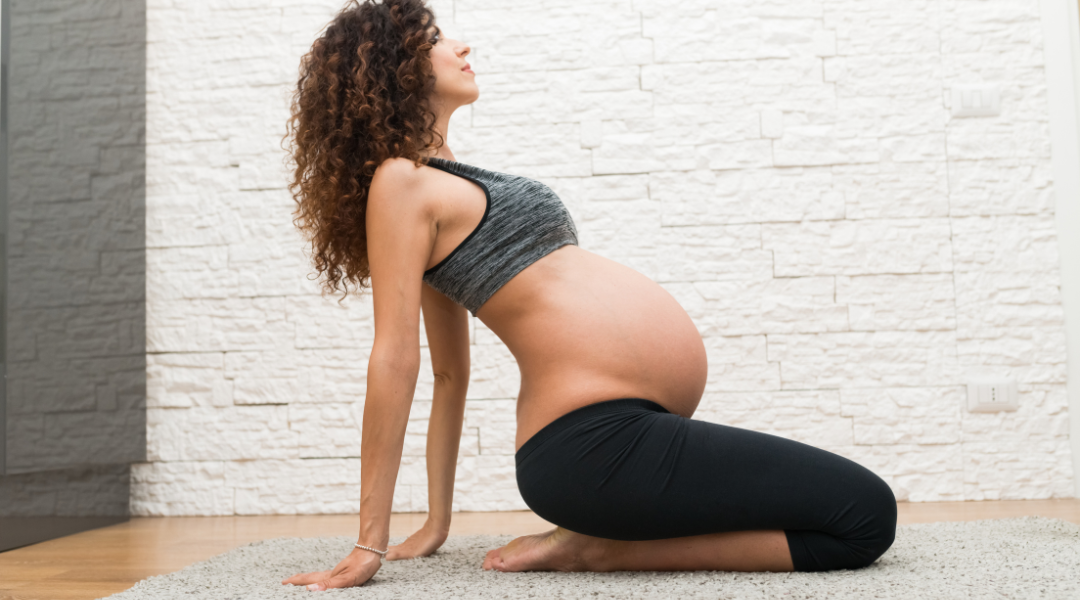
There are steps you can take to improve the health of your pelvic floor, no matter what time you are starting on your pelvic floor strengthening journey, it is never too late! All are small, achievable changes you can integrate into your daily routine:
Maintain a healthy body weight and healthy weight gain during your pregnancy
Eating well and doing regular exercise is essential for any mum to be, this will help keep the weight off, which otherwise will contribute extra weight onto the pelvic region during pregnancy.
Avoid exercises and activities that exert excess pressure on your abdomen.
Doing the right kinds of exercises is also important, especially during the second and third trimesters. So not to strain the muscles in the pelvic area. Also give yourself time to rest and recover after exercise or exertion.
Engage in safe pelvic floor exercises to strengthen your muscles, such as pelvic tilts, bridges, and Kegel exercises
Pelvic floor exercises can be tricky to master, so don’t hesitate to ask for guidance, either by joining a class or watch some Youtube videos to ensure you are doing it correctly.
It is important to carry out the right exercises based on the current health of your pelvic floor, your pregnancy and your medical history, so seek the advice of a trained professional or your GP, if you are unsure.
What we are learning in this blog ‘Your Pelvic Floor Journey’ is the importance of having a strong pelvic floor throughout your life, and not just for pregnancy. It’s a fundamental part of your health, directly impacting your day-to-day life. A strong pelvic floor protects you from a myriad of different pelvic issues from bladder and bowel control to prolapse.
None of us want a life dominated by the need to go to the loo every 5 minutes, with urinary incontinence, all too common in women prenatally. Acting early by taking care of your pelvic health will safeguard your body for what it is about to undertake, namely pregnancy, labour and birth.
Your Pelvic Floor Journey already incorporates the routine changes you can make to your daily life, such as watching your weight, doing Kegels at home, and regular Pilates or Yoga classes. Emsella Pelvic Floor Treatment is suitable for all women pre-pregnancy and postnatally (you can’t undergo treatment whilst pregnant or breast feeding), that gives your pelvic floor a strengthening boost. With 6 monthly topups, and continued pelvic floor healthcare, your pelvic floor muscles will retain their strength and keep you pelvic healthy, and ready to bring your baby into the World!
If you would like to chat about Emsella, or come and try it for yourself, get in touch with us on 01628 308060 or email hello@springwellclinic.co.uk.