

Your Guide to Treating Sun Damaged Skin
THE SUMMER HOLIDAYS ARE FINALLY HERE, AND WE LOVE NOTHING MORE THAN ENJOYING SOME MUCH NEEDED RAYS AND TOP-UP THAT VITAMIN D!
As we all know, exposure to the sun poses significant risks to our skin such as sunburn, premature aging, and an increased risk of skin cancer. Protecting your skin with a high SPF (30+) gives you good protection from these risks, but did you know, there are other ways to treat sun damaged skin and restore its health and vitality post-holiday?
WHAT IS SUN DAMAGE?
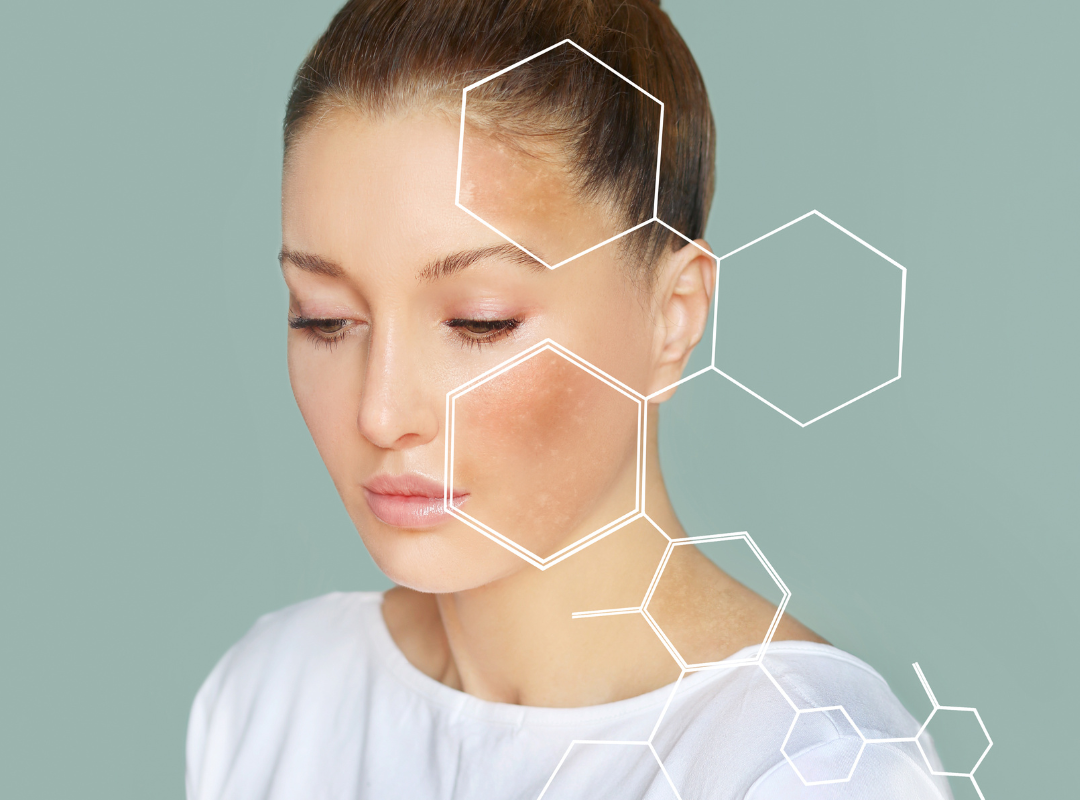
Sun damage refers to the harmful effects of ultraviolet (UV) radiation from the sun on the skin. This exposure can lead to a range of issues, from acute conditions like sunburn to long-term problems such as premature aging, hyperpigmentation, and an increased risk of skin cancers including basal cell carcinoma, squamous cell carcinoma, and melanoma. UV rays penetrate the skin, damaging the DNA in skin cells, which can cause mutations and cellular breakdown. Over time, this damage accumulates, leading to visible signs of aging such as wrinkles, fine lines, and age spots, as well as more severe health concerns like skin cancer.
WHAT DO I DO IF I BURN ON HOLIDAY?
When you’re in and out of the water, or a breeze is shielding the fact that you are burning, it is inevitable that you may burn. The first step in treating sunburn is to cool down the affected skin. Apply a cold, damp cloth to the burn or take a cool bath to soothe the skin. Drinking plenty of water is also crucial to rehydrate the body and skin. Use aloe vera and moisturizers. Aloe vera is renowned for its soothing and healing properties. Apply pure aloe vera gel to the sunburned areas to reduce inflammation and promote healing. Using a gentle, fragrance-free moisturizer can help to rehydrate and repair the skin barrier. Protect the sunburned skin from further exposure to the sun by wearing protective clothing, a hat and applying a broad-spectrum sunscreen with at least SPF 30.
HOW CAN I TREAT SUN-DAMAGED SKIN POST-HOLIDAY?
Topical Skincare
Retinoids, derived from vitamin A, are highly effective in treating sun-damaged skin due to their ability to promote cell turnover and enhance collagen production. These compounds, including over-the-counter retinol and prescription-strength tretinoin, work by accelerating the shedding of dead skin cells and stimulating the growth of new, healthy cells. This process helps to reduce the appearance of fine lines, wrinkles, and hyperpigmentation caused by UV exposure. Retinoids also boost collagen production, which improves skin elasticity and firmness, countering the sagging and rough texture often associated with sun damage. Consistent use of retinoids can lead to smoother, more even-toned skin, making them a cornerstone in the treatment of photoaging and other sun-related skin issues.
Antioxidants play a crucial role in treating sun-damaged skin by neutralizing free radicals generated by UV exposure, which can cause oxidative stress and lead to cellular damage. Key antioxidants, such as vitamin C, vitamin E, and ferulic acid, work synergistically to protect the skin from further harm while promoting repair processes. Vitamin C, for instance, not only helps to fade hyperpigmentation and even out skin tone but also boosts collagen production, enhancing skin elasticity and firmness. Similarly, vitamin E supports skin barrier function and reduces inflammation, contributing to overall skin health. Regular use of antioxidant-rich serums and creams can significantly improve the appearance and texture of sun-damaged skin, making them essential components of a comprehensive skincare regimen
Applying a high SPF sunscreen offers prevention, best treatment for sun damage. Applying a broad-spectrum sunscreen with at least SPF 30 daily can prevent further damage and allow the sun damaged skin to heal. Look for sunscreens that protect against both UVA and UVB rays.
Clinic Treatments
Chemical peels are highly effective for treating sun-damaged skin because they exfoliate the outermost layers of dead and damaged skin cells, revealing fresh, new skin underneath. These peels use various acids, such as glycolic acid, salicylic acid, or trichloroacetic acid (TCA), to break down the bonds between dead skin cells, promoting cell turnover and regeneration. This process helps to reduce the appearance of fine lines, wrinkles, and hyperpigmentation caused by UV exposure. Additionally, chemical peels stimulate collagen production, improving skin texture and firmness, and enhancing the overall clarity and radiance of the skin. By addressing both superficial and deeper skin issues, chemical peels offer a comprehensive approach to reversing sun damage and rejuvenating the skin. Read more on Superficial Peels.
Microneedling is an effective treatment for sun-damaged skin as it stimulates the skin’s natural repair process by creating controlled micro-injuries with fine needles. This procedure boosts collagen and elastin production, essential for repairing sun-induced damage like fine lines, wrinkles, and hyperpigmentation. The increased collagen helps to improve skin texture and firmness, while also reducing the appearance of sunspots and other pigmentation issues. Furthermore, microneedling enhances the absorption of topical treatments, such as antioxidants and retinoids, making them more effective in addressing sun damage. By promoting cell turnover and regeneration, microneedling rejuvenates the skin, providing a smoother, more even-toned complexion. Read more on Microneedling.
Natural Remedies and Lifestyle Changes
A diet rich in antioxidants can help repair sun-damaged skin from the inside out. Foods high in vitamins C and E, beta-carotene, and omega-3 fatty acids support skin health. Include citrus fruits, leafy greens, nuts, seeds, and fatty fish in your diet. Keeping hydrated by drinking plenty of water keeps the skin well hydrated and aids in the healing process. Proper hydration helps maintain skin elasticity and overall health. Wearing protective clothing, such as wide-brimmed hats and long sleeves, can shield your skin from harmful UV rays. Look for clothing with a UPF.
TREATING OLDER SUN DAMAGED SKIN
Prolonged exposure to the sun is the primary reason for premature ageing of the skin. There are numerous ways to treat ageing skin and hyperpigmentation by using topical creams and serums, or through cosmetic treatments.
Topical Creams and Serums for treating Pigmentation and Ageing
Look out for creams that contain Hydroquinone, a skin-lightening agent that is effective in reducing dark spots and pigmentation. It works by inhibiting the enzyme responsible for melanin production; Niacinamide, also known as vitamin B3, niacinamide helps to reduce the appearance of dark spots and improve skin elasticity; Kojic Acid which is derived from mushrooms, and is a natural skin lightener that can help reduce pigmentation.
Addressing fine lines and wrinkles caused by sun damage
Peptides are short chains of amino acids that help to stimulate collagen production and improve skin texture. Look for products containing peptides to reduce the appearance of fine lines.
Hyaluronic Acid is a powerful humectant that attracts and retains moisture, plumping the skin and reducing the appearance of wrinkles. Hyaluronic acid serums can provide significant hydration and improve skin elasticity.
Regularly exfoliating the skin regularly helps to remove dead skin cells and promotes cell turnover. This can improve skin texture and reduce the appearance of fine lines and wrinkles. Use gentle exfoliants like alpha-hydroxy acids (AHAs) or beta-hydroxy acids (BHAs).
Cosmetic Anti-ageing Treatments
The market for anti-ageing cosmetic treatments is worth nearly $60 Billion Worldwide, it’s popularity propelled by the desire to look younger. With sun playing such a huge factor in premature ageing of the skin, for those sun worshippers, turning to cosmetic solutions to reverse the ageing process may come earlier than for some.
Cosmetic treatments for anti-aging are designed to rejuvenate the skin, reduce the appearance of wrinkles, fine lines, and sagging, and improve overall skin texture and tone. Hyaluronic acid plays an important role in some of the more innovative aesthetic treatments, naturally restoring the skin by promoting hydration and collagen stimulation. Treatments like Ameela and Profhilo are amazing skin rejuvenation treatments, and with a course of treatments and regular top-up treatments, you will find a significant improvement in the damage from the sun.
Anti-wrinkle Injections work by temporarily relaxing the muscles that cause wrinkles, particularly in the forehead and around the eyes, leading to smoother skin, and a reduction in lines and wrinkles. Dermal fillers, especially hyaluronic acid-based products, add volume to areas like the cheeks and lips, and fill in deep lines and wrinkles.
Radiofrequency (RF) Therapy uses energy waves to heat the deep layers of the skin, stimulating collagen and elastin production. This can lead to tighter, more youthful-looking skin with reduced wrinkles and sagging. In a similar way, High-intensity focused ultrasound (HIFU) treatments target deep layers of the skin to stimulate collagen production, resulting in tighter, firmer skin. It is particularly effective for lifting and contouring the face and neck.
HAVE YOUR SKIN CHECKED REGULARLY BY A PROFESSIONAL
Regular skin checks by a professional are essential, especially if you have a history of severe sunburns or sun exposure. There are many clinics around offering mole mapping which can be incredibly important for early detection of skin cancer, particularly if you have moles and skin blemishes. Early detection of skin cancer can significantly improve treatment outcomes for cancer patients.
Treating sun-damaged skin requires a combination of preventive measures, topical treatments, professional procedures, and lifestyle changes. By understanding the effects of UV exposure and taking proactive steps to protect and heal your skin, you can mitigate the damage and maintain healthy, youthful skin. Remember, the key to healthy skin lies in consistent care and sun protection. Always prioritize using sunscreen, wear protective clothing, and stay hydrated to keep your skin in optimal condition.
Enjoy the sun safely this summer!
If you would like to discuss your sun-damaged skin with one of our nurse practitioners, who can recommend the right skincare regime and suitable cosmetic treatments, then get in touch with us to arrange a consultation on 01628 308060 or email hello@springwellclinic.co.uk.