

Skin Peels or Microneedling for Treating Acne?
Acne is a common skin condition that affects millions of people worldwide. From mild breakouts to severe cystic acne, the quest for clear skin often leads to exploring various treatment options.
Two such options to treat acne that are gaining significant popularity are chemical skin peels, when carried out by a trained clinician, and microneedling, both offer remarkable benefits for those struggling with acne, or improving acne scarring.
In this blog, we look at the benefits of both of these acne treatments, and they compare in their effectiveness at treating acne and acne scarring. First we need to understand why we get acne?
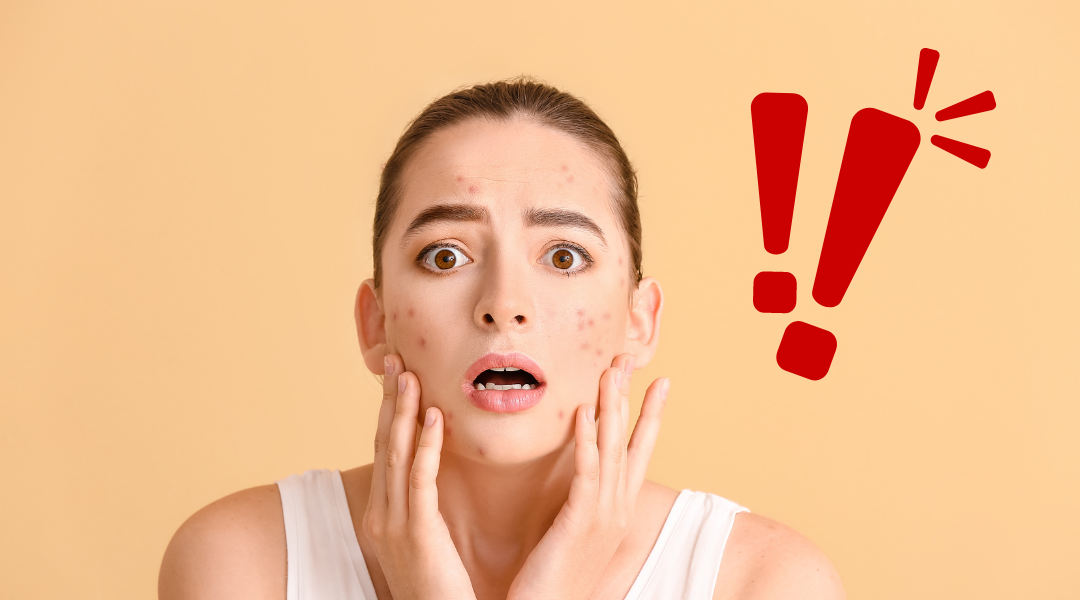
UNDERSTANDING ACNE AND ITS CAUSES
Before we dive into the specifics of skin peels and microneedling, it’s essential to understand what causes acne. Acne occurs when hair follicles become clogged with oil and dead skin cells. This environment fosters the growth of bacteria, leading to inflammation, redness, and the formation of pimples, blackheads, whiteheads, or cysts. Several factors contribute to acne, including:
Hormonal Changes: Particularly during puberty, pregnancy, or menstrual cycles.
Genetics: A family history of acne can increase your likelihood of developing it.
Diet: Certain foods, like those high in refined sugars and dairy, can exacerbate acne.
Stress: Stress can trigger or worsen acne outbreaks.
Skincare Products: Non-comedogenic products are crucial to avoid clogging pores.
WHAT ARE CHEMICAL SKIN PEELS?
Skin peels involve applying a chemical solution to the skin, which causes it to exfoliate and eventually peel off over the course of a few days. The new skin that forms is typically smoother and less prone to acne. There are different types of chemical peels, categorized mainly by their strength and depth of penetration:
Superficial Peels: Use mild acids like alpha-hydroxy acid (AHA) to gently exfoliate the outer layer of skin.
Medium Peels: Use trichloroacetic acid (TCA) to reach the middle and outer layers of skin, which makes them effective for deeper acne scars and pigmentation.
Deep Peels: Use stronger acids like phenol to penetrate deeper layers of the skin. These are used for more severe skin issues but come with longer recovery times.
It is recommended to seek advice from your medical practitioner as to the best chemical peel strength for your skin, and your desired outcomes.
THE SCIENCE BEHIND SKIN PEELS AND ACNE TREATMENT
Skin peels work through the process of controlled exfoliation, removing the top layer of dead skin cells, preventing them from clogging pores and forming acne.
In penetrating the skin, peels can reduce sebum production, which is often overactive in acne-prone skin.
Certain acids used in chemical peels, like salicylic acid, have antibacterial properties that help reduce the presence of acne-causing bacteria.
Some chemical peels reduce inflammation, which is a major component of acne.
By promoting the shedding of dead skin cells and encouraging new cell growth, chemical peels can improve skin texture and tone, reducing the appearance of acne scars and hyperpigmentation.
TYPES OF CHEMICAL PEELS FOR TREATING ACNE
Salicylic Acid Peels: A beta-hydroxy acid (BHA) that is oil-soluble, making it effective in penetrating oily skin and clogged pores. It’s particularly beneficial for treating blackheads and whiteheads.
Glycolic Acid Peels: An alpha-hydroxy acid (AHA) that exfoliates the outer layer of skin, promoting cell turnover and reducing the appearance of superficial scars.
Lactic Acid Peels: Another AHA, suitable for sensitive skin. It helps in gentle exfoliation and hydration.
TCA Peels: These medium-depth peels can address more severe acne and scarring, offering more dramatic results, and are often found at skin clinics.
Newer chemical skin peels to the market contain a mixture of many of these chemicals, including The Perfect Peel, the only peel containing Glutathione which penetrates deeper into the cellular level of the skin, along with TCA and Salicyclic acid to reduce acne bacteria.
WHAT CAN YOU EXPECT FROM YOUR SKIN PEEL TREATMENT
Chemical peels performed in-clinic, provide a deeper exfoliation compared to over-the-counter products, effectively unclogging pores and preventing future breakouts, impoving the overall texture and tone of the skin, and reducing the visibility of acne scars and pigmentation. Many peels have properties that combat acne-causing bacteria and reduce inflammation, leading to fewer and less severe breakouts, and those medium and deeper peels performed in-clinic stimulate collagen production, which can help in healing acne scars and improving skin elasticity. The level of peeling depends on the individual, but with newer, more innovative chemical peels coming to the market, there is significant improvement in the downtime, however, this is one disadvantage of skin peels, you can expect your skin to peel, so don’t book any social occasions within a week of having the treatment!
HOW DOES MICRONEEDLING HELP WITH TREATING ACNE?
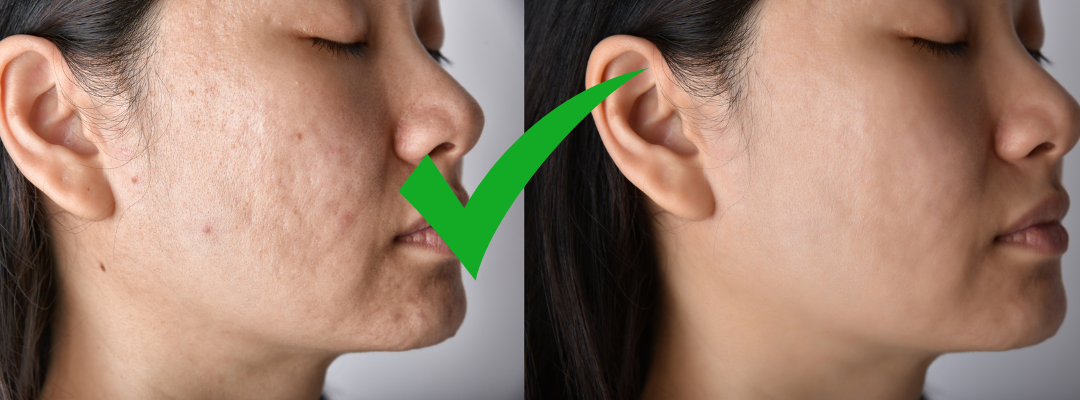
Microneedling, also known as collagen induction therapy, is a minimally invasive procedure that uses fine needles to create controlled micro-injuries on the skin’s surface. These micro-injuries trigger the body’s natural wound-healing processes, stimulating the production of collagen and elastin, which are crucial proteins for skin health. Here’s a detailed look at the scientific mechanisms and why microneedling is effective for treating acne:
Collagen and Elastin Production: The micro-injuries caused by microneedling stimulate the skin’s healing response. The body perceives these tiny punctures as wounds and initiates the production of collagen and elastin to repair them. This increased collagen production helps to rebuild the skin’s structure, filling in acne scars and improving skin texture.
Microneedling promotes the turnover of skin cells. As new cells are generated, old, damaged cells are shed more rapidly. This helps to reduce the appearance of acne scars and hyperpigmentation, leading to smoother and more even-toned skin.
Improved Topical Absorption: The micro-channels created during microneedling allow for better penetration of topical treatments. Active ingredients in serums and creams, such as hyaluronic acid, retinoids, and vitamin C, can penetrate deeper into the skin, enhancing their effectiveness.
Regulation of Sebum Production: Microneedling can help to normalize sebum production. Overactive sebaceous glands can lead to clogged pores and acne. By reducing excess oil production, microneedling helps to prevent new acne breakouts.
Reduction of Pore Size: The production of new collagen and elastin also helps to tighten the skin, which can reduce the appearance of enlarged pores. Smaller pores are less likely to become clogged with oil and debris, reducing the occurrence of acne.
WHY MICRONEEDLING IS GOOD FOR TREATING ACNE
One of the most significant benefits of microneedling is its ability to reduce the appearance of acne scars. The increased collagen and elastin production helps to fill in and smooth out depressed scars, leading to a more even skin surface. By tightening the skin and reducing pore size, microneedling decreases the likelihood of pores becoming clogged with oil, dead skin cells, and bacteria. This can help prevent new acne breakouts. The enhanced cellular turnover and collagen production result in smoother, more radiant skin. Hyperpigmentation and uneven skin tone caused by acne can also be improved through microneedling. The micro-channels created during microneedling enhance the absorption of topical acne treatments. Ingredients such as salicylic acid, benzoyl peroxide, and retinoids can penetrate deeper into the skin, making them more effective in treating acne and preventing future breakouts.
Microneedling is a minimally invasive procedure with relatively short recovery times. Most people experience mild redness and swelling for a few days post-treatment, making it a convenient option for those looking to improve their skin without significant downtime. It is suitable for all skin types and tones, including sensitive skin. When performed by a trained professional, it is a safe and effective treatment with minimal risk of adverse effects.
Microneedling offers a scientifically backed approach to treating acne and its aftereffects. By stimulating collagen and elastin production, enhancing cellular turnover, and improving the absorption of topical treatments, microneedling can effectively reduce acne scars, minimize pore size, and improve overall skin texture and tone. Its non-invasive nature and minimal downtime make it an attractive option for those seeking to achieve clearer, healthier skin.
HOW DO SKIN PEELS AND MICRONEEDLING COMPARE IN TREATING ACNE?
Here we look at both treatments side by side and their effectiveness in treating both active acne and acne scarring.
Effectiveness for Active Acne
Skin Peels: More effective in quickly addressing active acne by exfoliating and reducing oil production.
Microneedling: Less immediate impact on active acne but can help prevent future breakouts by improving overall skin health and regulating oil production.
Effectiveness for Acne Scars
Skin Peels: Superficial peels might not be as effective for deep scars, though medium and deep peels can offer some improvement.
Microneedling: Generally more effective for treating acne scars due to its ability to stimulate collagen production deeply within the skin.
Side Effects and Recovery
Skin Peels: May cause significant peeling, redness, and sensitivity. Requires careful sun protection post-treatment.
Microneedling: Involves some downtime with redness and swelling but typically less peeling. Sun protection is still important but less critical than with peels.
Suitability
Skin Peels: Better for those with oily, acne-prone skin looking for quick results and willing to manage potential irritation and sun sensitivity.
Microneedling: Ideal for individuals aiming to address acne scars and improve overall skin texture, with a longer-term commitment to multiple sessions.
Both skin peels and microneedling offer valuable benefits for treating acne and its aftermath, but they serve different purposes. Skin peels are more immediate in tackling active acne and improving skin texture and tone. Microneedling excels in treating acne scars and enhancing overall skin health through collagen induction. Often, a combination of both treatments, tailored to individual skin needs, can provide the best results. Consulting with a dermatologist or skincare professional can help determine the most appropriate approach based on specific skin concerns and goals.
You can read more about acne treatments, chemical skin peels, and microneedling on our website.
If you have concerns about acne and how to treat it, why not come along for a consultation with one of our skin specialists who will discuss your concerns and suitability for treating acne and acne scarring. Call us on 01628 308060, or email hello@springwellclinic.co.uk.