

Unlocking Vitality - 6 Critical Roles of the Pelvic Floor
When it comes to foundational wellness, few muscle groups are as underestimated as the pelvic floor. This intricate network of muscles serves as your body’s hidden powerhouse, orchestrating everything from bladder control to sexual satisfaction. Understanding these remarkable muscles—and keeping them strong—can transform your quality of life in ways you never imagined.
WHAT ARE THE PELVIC FLOOR MUSCLES?
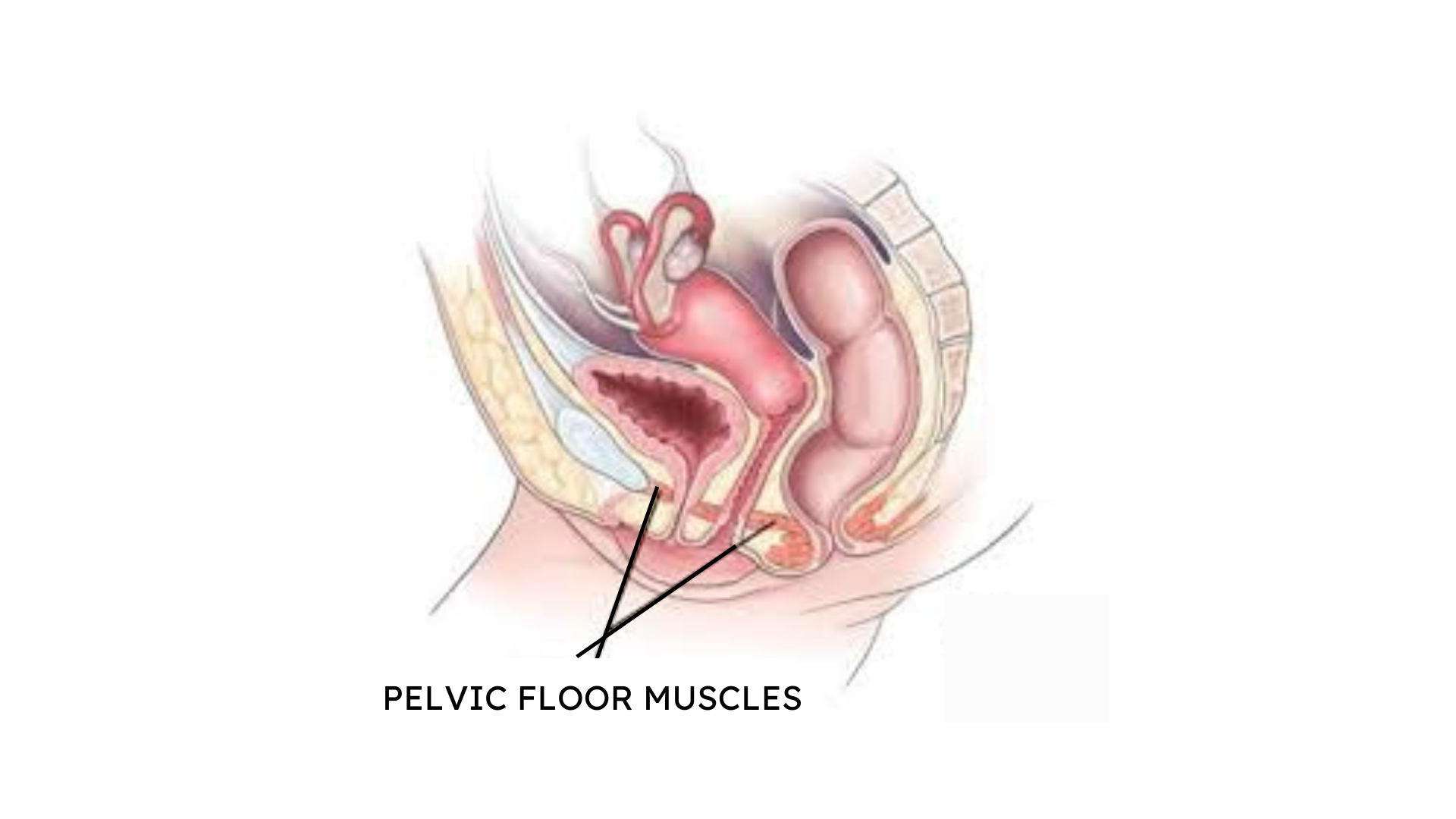
The pelvic floor refers to a network of muscles, ligaments, and connective tissues that form a hammock-like structure at the base of the pelvis, stretching from the pubic bone in the front to the tailbone at the back. These muscles provide support for the pelvic organs, including the bladder, uterus, and rectum. They play critical roles in the body that have a significant affect on our quality of life. Here are the 6 Critical Roles of Pelvic Floor Muscles, explained:

Your pelvic floor operates like an architectural marvel, creating an invisible yet powerful foundation for your core organs.
Hammock-like Structure: The pelvic floor muscles form a supportive hammock-like structure at the base of the pelvis. They attach to the pubic bone at the front and the tailbone (coccyx) at the back, creating a sturdy foundation.
Lift and Suspend: The muscles of the pelvic floor work together to lift and suspend the pelvic organs. They provide a supportive framework that helps maintain the proper position and alignment of the bladder, uterus, and rectum within the pelvis.
Contraction and Relaxation: The pelvic floor muscles are dynamic and contractible. They can actively tighten and lift, supporting the organs during activities such as coughing, sneezing, laughing, or lifting heavy objects. This contraction prevents downward pressure on the organs and helps maintain continence.
Coordination with Abdominal Muscles: The pelvic floor muscles work in coordination with the abdominal muscles. When the abdominal muscles contract, they exert downward pressure on the organs. In response, the pelvic floor muscles contract to counteract this pressure and provide support, preventing organ descent or prolapse.
Response to Intra-Abdominal Pressure: The pelvic floor muscles respond to changes in intra-abdominal pressure. For example, during activities like lifting or straining during bowel movements, there is an increase in pressure within the abdominal cavity. The pelvic floor muscles automatically contract to provide support and prevent the organs from being pushed downward.

The pelvic floor muscles play a significant role in maintaining bladder and bowel control. When the muscles are strong and functioning properly, they help prevent involuntary urine or fecal leakage and assist in controlling the release of urine and stool.
Here’s how they contribute to bladder and bowel control:
Bladder Control:
One of the primary functions of the pelvic floor muscles is to maintain bladder control. The pelvic floor muscles help maintain continence by providing support and closing off the urethra, the tube through which urine passes out of the body. When the pelvic floor muscles are strong and functioning properly, they can contract and tighten around the urethra, effectively preventing urine leakage. When these muscles are weak or dysfunctional, individuals may experience urinary incontinence, which can lead to embarrassment and a diminished quality of life. Strengthening the pelvic floor through targeted exercises, such as Kegels, can improve bladder control, reduce leakage, and enhance overall confidence.
Bowel Control:
The pelvic floor muscles also play a significant role in bowel control by assisting in the regulation of bowel movements. They work in coordination with the anal sphincter muscles to control the release of stool. When the pelvic floor muscles contract, they help maintain the integrity of the anal canal and provide resistance to the passage of stool until an appropriate time for evacuation.

The pelvic floor muscles provide sensory feedback to the brain, allowing us to perceive the sensations of a full bladder or rectum. This feedback helps us recognize the need to empty the bladder or have a bowel movement. It also enables us to voluntarily control the timing and urgency of these functions.
The pelvic floor muscles are richly innervated with sensory nerve fibers. During sexual arousal and activity, the pelvic floor muscles help generate and transmit pleasurable sensations. The sensory feedback from these muscles contributes to the overall experience of sexual pleasure and orgasm.
Proprioception is the sense of body position and movement. The pelvic floor muscles provide proprioceptive feedback, allowing individuals to have an awareness of the position and movement of their pelvic region. This feedback helps with posture, coordination, and overall body awareness.
Pain and Discomfort: The pelvic floor muscles can also provide sensory feedback related to pain or discomfort. Conditions like pelvic pain, muscle tension, or dysfunction in the pelvic floor can result in sensations of pain, discomfort, or a feeling of pressure in the pelvic region. Sensory feedback from the pelvic floor muscles can alert individuals to potential issues and guide them to seek appropriate treatment.
Muscle Awareness and Control: Sensory feedback from the pelvic floor muscles helps individuals to have a sense of muscle tension, relaxation, and control. This awareness is important for engaging and coordinating the pelvic floor muscles effectively, such as during pelvic floor exercises or activities that require precise muscle control.

Strong pelvic floor muscles are essential for sexual health and function in both men and women.
The pelvic floor muscles contract rhythmically during sexual climax and contribute to the intensity and pleasure of orgasm for both participants.
In women, these muscles contribute to vaginal tone, which can enhance sexual pleasure and support healthy sexual experiences. Well-toned pelvic floor muscles contribute to vaginal tightness and elasticity. These muscles help enhance sexual pleasure by increasing friction during intercourse and providing a sense of fullness and control. The pelvic floor muscles also assist in maintaining vaginal lubrication by enhancing blood flow to the genital area. Proper muscle tone can contribute to a healthy vaginal environment, reducing discomfort and promoting sexual enjoyment.
In men, the pelvic floor muscles are involved in erectile function and ejaculation control. Helping to maintain penile rigidity during an erection by trapping blood in the erectile tissues. Strong and coordinated pelvic floor muscles can improve erectile function and help prevent erectile dysfunction.

The pelvic floor muscles are part of the core musculature, along with the abdominal and back muscles. They work together to provide stability and support to the spine, pelvis, and hips. A strong and well-functioning pelvic floor is crucial for maintaining good posture, preventing lower back pain, and supporting overall core strength. By actively engaging and maintaining tone, the pelvic floor muscles help maintain the optimal position of these organs, preventing excessive pressure on the pelvic floor and contributing to core stability.
The pelvic floor muscles work in conjunction with the deep abdominal muscles, such as the transverse abdominis, to create intra-abdominal pressure. This pressure helps stabilize the spine and pelvis during movements and activities that involve the core. Coordinated activation of the pelvic floor and deep abdominal muscles can enhance core stability.
The pelvic floor muscles transfer forces between the upper and lower body during movements. For example, when lifting heavy objects, the pelvic floor muscles engage to provide a stable base for the transfer of force from the legs to the upper body. This transfer of forces is essential for maintaining proper alignment and stability in the core.
The diaphragm, a dome-shaped muscle involved in breathing, works in coordination with the pelvic floor muscles. During inhalation, the diaphragm contracts and descends, while the pelvic floor muscles relax. This coordinated movement facilitates optimal breathing mechanics and contributes to core stability. Proper integration between the diaphragm and the pelvic floor is important for maintaining the balance of intra-abdominal pressure and stability.
The pelvic floor muscles help maintain proper postural alignment, especially in the pelvis and lower back regions. Weak or imbalanced pelvic floor muscles can lead to poor posture, which can compromise core stability and contribute to issues such as lower back pain.

During pregnancy and childbirth, your pelvic floor muscles perform nothing short of miracles. Strong pelvic floor muscles can aid in the birthing process and contribute to a faster recovery postpartum. Pelvic floor muscles play a vital role during pregnancy and childbirth, including creating a pathway for the baby to pass through the birth canal during vaginal delivery. These muscles need to stretch and relax to allow sufficient space for the baby’s head and body to descend. The pelvic floor muscles also provide support to the uterus, bladder, and rectum. During childbirth, they help maintain the position and stability of these organs, preventing excessive pressure on the pelvic floor.
Perineal Protection: The perineum is the area between the vagina and the anus. The pelvic floor muscles help support and protect the perineal tissues during childbirth. With proper muscle tone and coordination, the risk of perineal tears or episiotomies (surgical incisions made to widen the vaginal opening) can be minimised
Preparation and Training: It’s important for the pelvic floor muscles to be flexible, strong, and well-coordinated to optimise their role in childbirth. Regular prenatal exercises that focus on pelvic floor muscle training, such as Kegels, can help improve their strength and flexibility. These exercises involve contracting and relaxing the pelvic floor muscles, which can enhance their endurance and ability to stretch during childbirth.
Post-Birth Considerations: It’s worth noting that some women may experience pelvic floor issues following childbirth, such as pelvic organ prolapse or urinary incontinence. Seeking guidance from a healthcare professional, such as a pelvic floor therapist or a midwife, both during and after pregnancy, can help address any concerns or provide appropriate exercises and treatments to support pelvic floor recovery.
Neglecting the health of our pelvic floor muscles can have significant consequences on our physical, emotional, and sexual well-being. By understanding the importance of strong pelvic floor muscles and taking proactive steps to strengthen them, we can achieve a multitude of benefits, including improved bladder control, enhanced sexual satisfaction, and increased overall vitality.
Remember, it is never too late to start caring for your pelvic floor. Include pelvic floor exercises in your fitness routine, seek guidance from healthcare professionals or specialised physical therapists, and begin a journey of discovering the transformative power of a strong and resilient pelvic floor.
The Emsella Chair is an electromagnetic pelvic floor therapy that uses focused electromagnetic energy to strengthen the pelvic floor muscles. This technology delivers intensive muscle contractions equivalent to performing thousands of Kegel exercises in a single 28-minute session. The treatment enables comprehensive muscle activation that would be impossible to achieve through voluntary exercises alone. This could be an excellent solution if you suffer from incontinence, bladder weakness, or as a preventative measure before or after pregnancy.