

Top 3 ways to shift stubborn belly fat
If you've ever struggled with stubborn belly fat that just won’t budge no matter how much you diet or exercise, you’re not alone.
While lifestyle factors like healthy eating and regular exercise are essential for overall well-being, they’re often not enough to shift those last lingering inches around your waistline. This is especially true as we age, experience hormonal changes, or deal with metabolic imbalances. Fortunately, there are some small targeted changes you can make at home that will actually save you money too!
Let’s look at Why Belly Fat Is So Stubborn
Belly fat, particularly the deep visceral fat around your organs, is extremely persistent and poses significant health risks. Unlike subcutaneous fat elsewhere on your body, this abdominal fat actively produces inflammatory compounds that disrupt your metabolism. These toxic substances increase your chances of developing metabolic syndrome, cardiovascular problems, and diabetes - making waist fat far more than just a cosmetic concern.
Even with the cleanest diet and consistent workouts, this type of fat can be incredibly resistant. That's because fat loss isn’t always linear and is influenced by many factors beyond just calories in versus calories out. Hormone imbalances, stress, sleep quality, age, and genetics all play a role in how your body stores and releases fat.
This is the only guide you need to start on your belly fat shifting journey - there are solutions out there for everyone, no matter how much or little visceral fat you need to get rid of, so follow these three dietary steps and you will see improvements in your waistline and your wallet!
1. Practice Intermittent Fasting to reset your metabolism and reduce fat stores
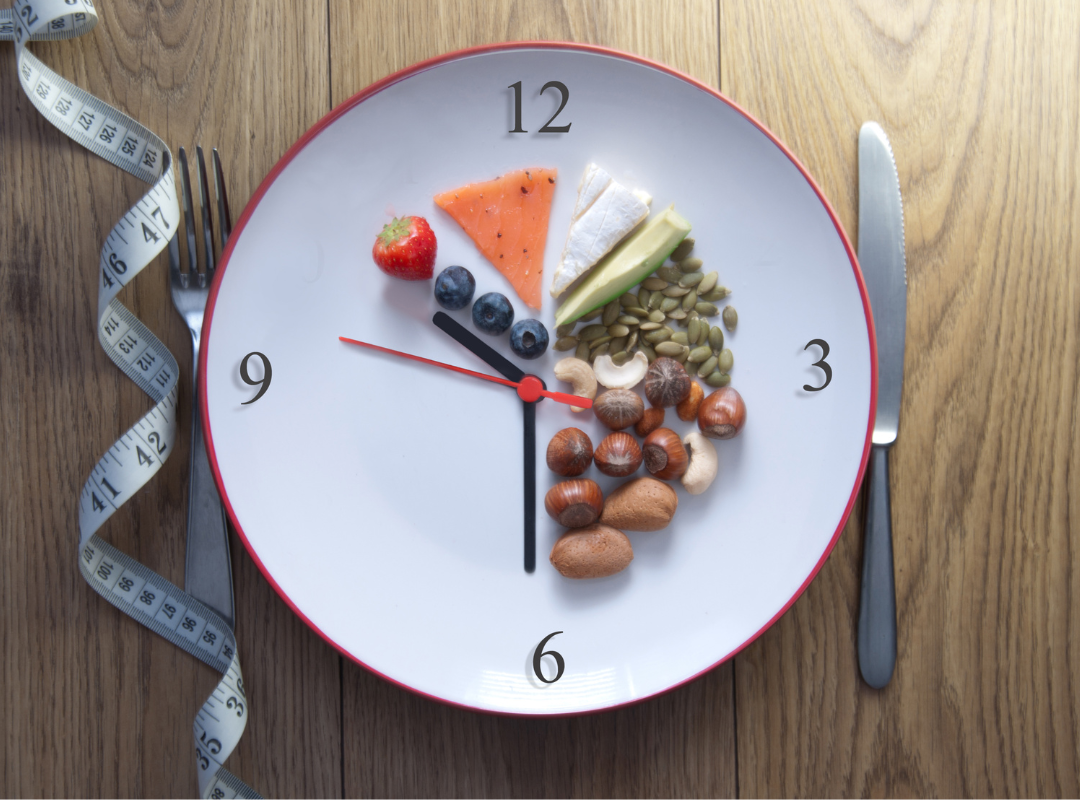
Intermittent fasting is one of the most effective dietary changes you can introduce to your daily routine to effectively reduce abdominal fat because it directly targets the hormonal drivers of fat storage - especially insulin, the hormone associated with diabetes. Every time you eat, insulin is released to help process sugars, however, if you’re constantly snacking or eating around the clock, insulin remains elevated, and your body never has the opportunity to switch from ‘sugar-burning’ to ‘fat-burning’ mode.
How does intermittent fasting work?
When you limit eating to an 8-hour window (like noon to 8 p.m.), you create a 16-hour fasting period that forces your body to burn through stored glucose and switch to fat-burning mode. This metabolic shift specifically targets belly fat stores, as insulin levels decrease and your body accesses stubborn abdominal fat for fuel.This natural metabolic switch is the key to burning fat more efficiently.
Intermittent fasting can:
Improve insulin sensitivity
Reduce inflammation
Lower cortisol levels
Increase human growth hormone (HGH), which promotes fat loss and lean muscle gain
Enhance cellular repair and detoxification during fasting periods
How do you get started with intermittent fasting?
Start with a 12:12 window (eat for 12 hours, fast for 12) and gradually reduce the eating window to 8 or 6 hours depending on what you feel suits you best around your other daily routines. Be sure to stay hydrated during your fasting window, sparkling water can be good to curb hunger pangs, black tea or coffee are also OK. Your meals need to be nutrient-dense to ensure you are getting the right amount of calories when you do eat.
How to calculate how many calories you need?
When in your eating window, you don’t want to overeat, so calorie counting may be the best solution if you struggle to keep within your calorie allowance. MyFitnessPal is a great app to use to accurately and easily add meals to your daily intake and calculate your calories.
1. Calculate your Basal Metabolic Rate (BMR):BMR is the number of calories your body burns at rest. You can use online calculator like this one by MyFitnessPal to estimate this based on your age, sex, height, and weight.
2. Factor in your activity level:Add calories to your BMR based on how active you are. For example, if you're sedentary, add 10% of your BMR. If you're moderately active, add 15%, and so on.
3. Create a calorie deficit:Subtract 500 calories from your total daily calorie needs to create a deficit.
2. Cut out Sugar and Refined Carbs to balance blood glucose levels
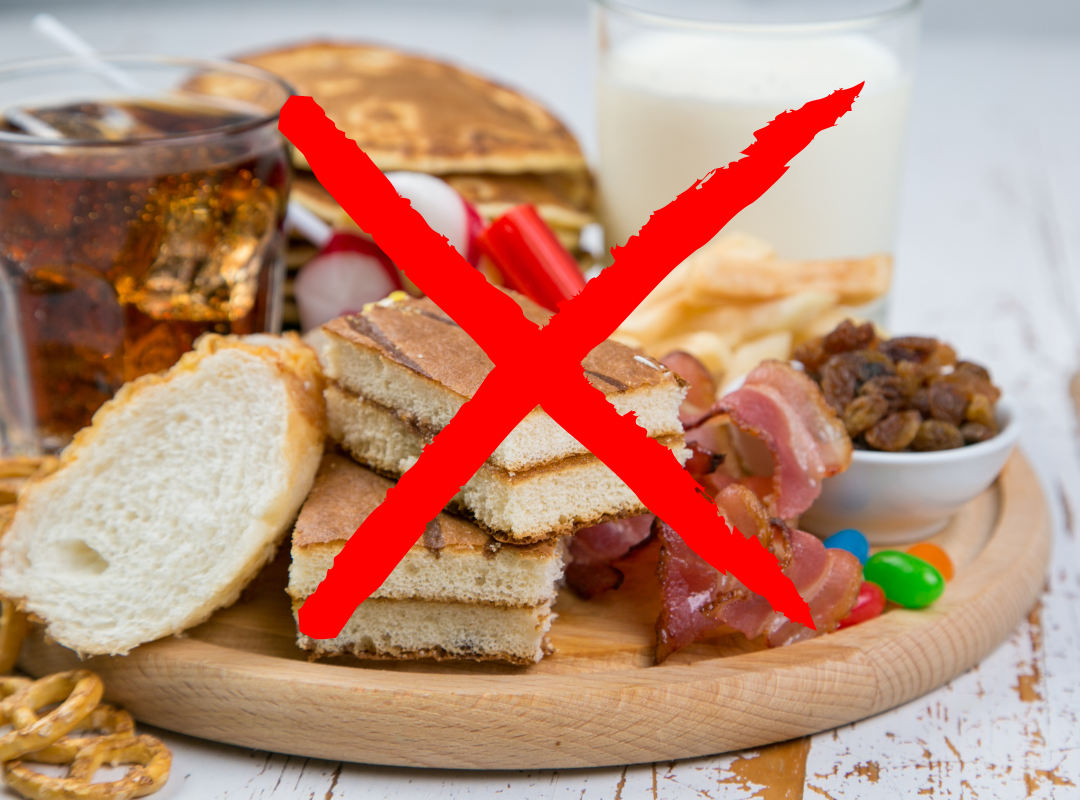
High-sugar foods are primary drivers of abdominal fat accumulation. Natural sweeteners like honey and fruit juices still trigger rapid blood sugar spikes, prompting insulin release that directs fat storage straight to your midsection.
Processed carbs - including white flour products, sweets, and sugary beverages - cause immediate glucose surges that overwhelm your system and promote belly fat storage.
How to break the sugar cycle
Eliminate sweetened drinks (even “healthy” smoothies or fruit juices)
Cut back on high-GI foods like white bread, crackers, and processed cereals
Choose whole carbohydrates like oats, quinoa, and root vegetables in moderation
Increase fibre intake through vegetables, seeds, legumes, and berries to slow digestion and improve blood sugar control
Watch out for hidden sugars
Manufacturers disguise sugar in condiments, prepared foods, and so-called health foods using terms like corn syrup, dextrose, and fruit concentrates. Scrutinise ingredient lists and limit total added sugars to 15-25 grams daily - particularly crucial when targeting belly fat or addressing insulin sensitivity issues. By pairing protein and fat in a meal, you are filling yourself up, and avoiding the effects of quick energy release from carbs and sugar.
Here’s a few tips on easy, quick meal and snack replacements:
Instead of toast with jam for breakfast, try half an avocado with poached eggs and a sprinkle of sea salt. It keeps you full, fuels your brain, and primes your body for fat burning.
Most cereals = sugar bomb. Swap for full-fat Greek yogurt, blueberries, chia seeds & almonds for protein and fibre.
Swap white bread sandwich for lettuce wrapped turkey or other lean meat with hummus.
White rice gives you a glucose overload - did you know? Swap for high-fibre cauliflower rice or protein-rich quinoa.
Swap your afternoon biscuit for apple slices with Peanut Butter or Egg, a whole food snack with balance and bite.
3. Eat Healthy Fats - Fuelling your Body Without Storing Fat
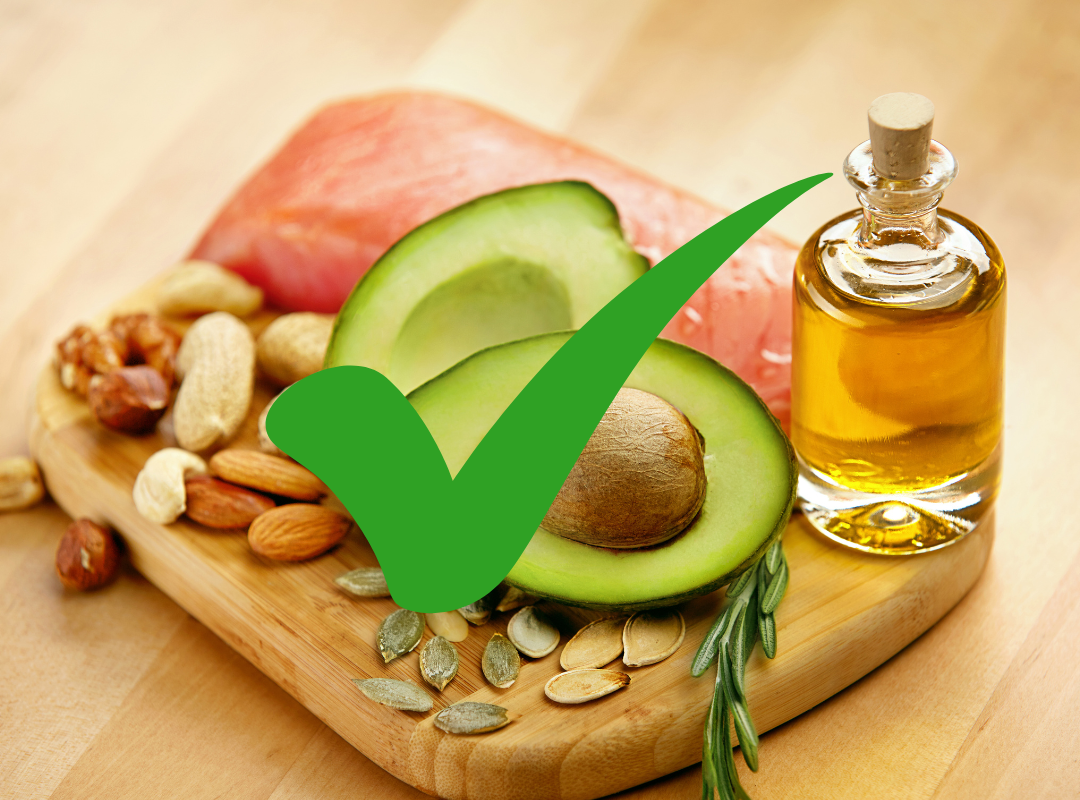
It might sound counterintuitive, but eating fat doesn’t make you fat, especially when you're choosing the right kinds of fats. Healthy fats are critical for hormone production, brain function, satiety, and yes, fat-burning.
When you reduce sugar and increase fat, your body becomes more metabolically flexible, learning to burn fat as its primary source of energy. This is particularly helpful if you’re pairing your diet with intermittent fasting or fat-freezing treatments. Together, they support a metabolic shift toward efficient, sustained fat burning.
What are the best fats to eat?
Monounsaturated fats (MUFAs): Including avocados, extra virgin olive oil, and almonds. Studies show these fats specifically target abdominal fat reduction
Omega-3 fatty acids: Present in oily fish (wild salmon, mackerel, anchovies), hemp seeds, ground flaxseed, and walnuts. These essential fats combat inflammation and boost insulin function
Saturated fats (in moderation):Quality sources include grass-fed organic butter, virgin coconut oil, and free-range egg yolks
Research demonstrates that women consuming 1,600 calories daily with increased monounsaturated fats achieved a 33% reduction in abdominal fat within 30 days, maintaining their existing workout schedules. When combined with fat freezing or body contouring, the visual transformation can be even more impressive!
Menopause, Hormones, and Fat Storage
Menopausal women face unique challenges with midsection weight gain as declining hormones disrupt normal fat distribution. Hormonal imbalances during this transition often trigger increased abdominal fat storage, particularly when estrogen levels fluctuate dramatically.
Natural hormone support through bioidentical therapies can help restore metabolic balance and reduce stubborn belly fat accumulation. It helps oppose oestrogen, supports thyroid function, reduces water retention, and improves metabolic function. These changes not only help reduce fat storage but also improve sleep, mood, and energy levels.
Pairing hormonal balance with fat freezing can be a game-changer for women in midlife looking to feel and look better without relying on extreme diets or invasive procedures.
Our Bonus Tips for successful belly fat loss
Manage stress effectively: Elevated stress hormones like cortisol directly trigger abdominal fat storage. Practice stress-reduction techniques such as meditation, deep breathing, or regular walking to maintain hormonal balance.
Get good quality Sleep: Sleep deprivation disrupts hunger hormones and metabolism, leading to increased belly fat. Target 7–9 hours of consistent, restorative sleep nightly.
Strength Training: Lean muscle tissue burns calories continuously, even during rest. Incorporate weight training or bodyweight exercises 2–3 times weekly to boost metabolic rate
Keep well Hydrated: Adequate water intake supports liver function and reduces water retention that can cause bloating. Proper hydration helps achieve a flatter-looking midsection.
Shifting stubborn belly fat really isn’t about crash dieting or endless cardio - it’s about retraining your metabolism, balancing your hormones, and giving your body the right conditions to burn fat naturally. Intermittent fasting, reducing sugar, and embracing healthy fats are three of the most powerful, sustainable strategies to transform your midsection and reclaim your energy.
When paired with innovative body-sculpting treatments like fat freezing and body conditioning, these lifestyle shifts can supercharge your results.
Fat freezing offers an effective enhancement to your body-contouring efforts, especially when dietary changes and exercise have reached a plateau with persistent fat areas. This clinically-proven, FDA-cleared procedure uses precise cooling technology to freeze and destroy subcutaneous fat cells. The crystallized fat cells are then naturally processed and eliminated by your body's lymphatic system over the following weeks.
Unlike weight loss through diet and exercise, which shrinks fat cells but doesn’t eliminate them, cryolipolysis actually removes the fat cells in treated areas - meaning they’re gone for good. This makes it an incredibly effective tool for body contouring, especially in the abdominal area, reducing fat by up to 25%.
Stubborn belly fat doesn’t have to define your health or your appearance. If you’re doing all the “right things” but still struggling to shed fat around your midsection, it might be time to consider adding fat freezing to your wellness toolkit.
If you would like to talk to us about fat freezing and body conditioning treatments, schedule your consultation using our online booking system, contact us on 01628 308060 or email hello@springwellclinic.co.uk.